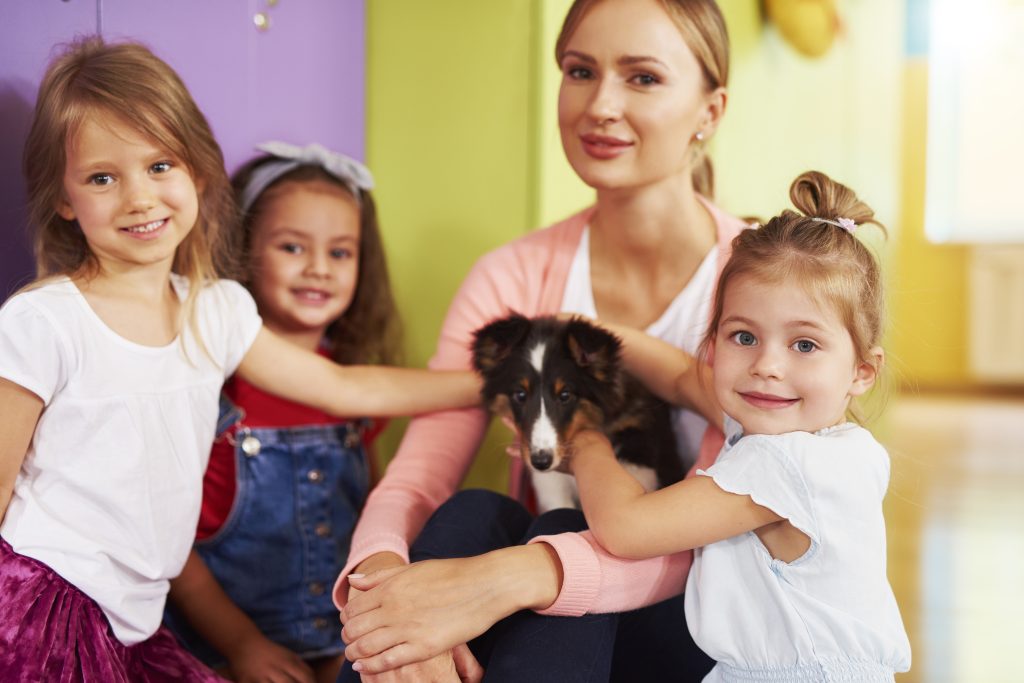
Building Strong Family Partnerships: Navigating Difficult Conversations
A career in early childhood education or OOSH care offers an incredible opportunity to shape young lives, yet it also presents unique communication challenges. Managing sensitive discussions with parents regarding behavioural or developmental concerns can feel challenging, often leaving professionals searching for the right words and a clear pathway forward. Supporting children and families requires not only an understanding of child development but also a thoughtful approach to partnership and communication. This blog explores practical strategies for building strong family partnerships and turning challenging conversations into opportunities for shared understanding and better support for children.
Partners, Not Opponents: Reframing Tough Conversations as Teamwork
Approaching conversations about a child’s progress or challenges with a partnership mindset is foundational. When addressing behavioural or developmental concerns in early childhood education, it is essential to position everyone involved as a united team, working towards the child’s best interests. This initial reframing is an invitation to collaboration, setting a positive and proactive tone for the entire discussion.
Recognising that parents are a child’s first and most enduring educators is crucial for professionals in daycare and preschool settings. They bring invaluable insights into their child’s unique personality, history, and home environment. Honouring this expertise from the outset helps to build trust and reduces any perceived defensiveness, creating a safe space for open dialogue.
The goal is to build a collaborative spirit, ensuring that parents feel heard, respected, and genuinely involved in crafting solutions. A strong partnership acknowledges the shared responsibility in supporting a child’s development, especially when addressing aspects like social learning or preparing for the preschool to school transition. This thoughtful approach creates a strong foundation for effective communication and joint problem-solving, making the challenging conversations less adversarial and more productive.
Defining the Goal: What a Successful First Conversation Looks Like
Before initiating a conversation about a child’s behavioural or developmental concerns, having a clear vision of success is important. A successful first meeting is not necessarily about reaching a definitive solution immediately, but rather about establishing mutual understanding and a commitment to work together. It’s an opportunity to ensure parents feel informed and supported, rather than judged or overwhelmed.
The intention for this initial dialogue should be to share observations transparently and gather the parent’s perspective. It involves presenting information factually and empathetically, focusing on specific behaviours or developmental milestones observed within the OOSH care or preschool environment. The aim is to create a shared understanding of the situation from both home and educational settings, laying the groundwork for future steps.
A truly successful first conversation concludes with both parties feeling a sense of connection and shared purpose. It should leave parents with clarity about the concerns, reassurance that their child is cared for, and a clear understanding that their input is valued. This thoughtful approach supports parents, transforming a potentially difficult discussion into a meaningful step forward in supporting their child’s overall development, particularly when addressing challenging behaviours in preschool settings where communication is important.

Active Listening: Hearing the Parent’s Perspective and Honouring Their Expertise
True partnership is built on the bedrock of active listening, especially when navigating sensitive topics in early childhood education. This involves more than just hearing words; it means truly understanding the emotions, concerns, and insights that parents bring to the conversation. Giving parents enough space to share their observations and feelings is a profound act of respect and trust-building.
Parents possess an intimate knowledge of their child, drawing from countless hours of interaction and experience that educators may not observe. Their perspective can illuminate underlying factors contributing to behavioural concerns or developmental delays, whether in a daycare or OOSH care setting. By honouring this expertise, professionals gain valuable context that can inform more effective strategies and support plans.
Practising active listening means asking open-ended questions, allowing time for pauses, and reflecting on what has been said to confirm understanding. It involves validating feelings and acknowledging the parent’s unique journey with their child. This engagement ensures that any proposed solutions consider the child’s needs and experiences both inside and outside the educational environment, supporting positive social learning outcomes. When parents feel genuinely heard, their willingness to collaborate significantly increases, paving the way for more impactful interventions and a smoother preschool to school transition.
People also ask
The EYLF Explained Simply: What Your Child Is Learning in Childcare

Before & After School Care (OSHC) in Australia: How to Find a Place in 2026

Child Wellbeing in Early Learning: Helping Kids Thrive
School Readiness in Australia: A Practical EYLF-Aligned Guide For Parents

Universal Childcare Explained: A Guide for Australian Families
Child Care Subsidy (CCS) in Australia 2025: How Much You Could Save and How to Claim
Co-Creating an Action Plan: Setting Shared Goals for Home and School
Once a shared understanding has been established through thoughtful discussion and active listening, the next step in this collaborative journey is to co-create an actionable plan. This process moves beyond merely identifying challenges to developing concrete, shared goals that can be implemented both at home and within the early childhood education setting. This collaborative approach ensures consistency and reinforces positive strategies for the child.
Developing a plan together ensures that it is realistic, sustainable, and respectful of both the family’s capacity and the educational environment’s resources. For children displaying disruptive behaviours in preschool or facing developmental hurdles, having a unified strategy is immensely powerful. It might involve specific strategies for promoting social learning, consistent routines for managing transitions, or simple techniques for reinforcing desired behaviours.
Each goal should be clearly defined, measurable, and achievable, with specific actions outlined for parents and educators. The emphasis is on building upon a child’s strengths while addressing areas for growth. This shared commitment to an agreed approach provides clarity for everyone involved and strengthens the partnership between home and OOSH care, fostering a supportive ecosystem for the child’s development.
Following Up: Keeping the Partnership Strong After the Initial Meeting
The initial conversation and co-creation of an action plan are significant milestones, but the journey of partnership does not end there. Consistent and thoughtful follow-up is vital for maintaining momentum, assessing progress, and ensuring the continued strength of the family-educator relationship. This ongoing communication reinforces commitment and allows for necessary adjustments to the plan.
Regular check-ins, whether through brief conversations, progress notes, or scheduled meetings, demonstrate a sustained dedication to the child’s well-being and the family’s peace of mind. These conversations provide opportunities to discuss observations from both home and the early childhood education environment, celebrate small victories, and collaboratively address any new challenges that may arise. This is particularly important for children engaged in social learning or preparing for the preschool to school transition, where incremental progress can be significant.
Effective follow-up also involves being flexible and adaptable, recognising that children’s needs and family circumstances can evolve. It is an ongoing invitation to dialogue, ensuring that the strategies developed remain relevant and supportive. By maintaining open lines of communication, the partnership grows stronger, creating a strong and responsive support system for every child, especially those experiencing behavioural concerns in preschool or daycare.
Key Takeaways
- Approach parent conversations as a unified team, working towards shared goals.
- Define clear goals for the initial discussion, focusing on understanding.
- Actively listen to and honour parents’ unique insights into their child.
- Co-create action plans with specific, shared goals for home and school.
- Maintain open, consistent communication through thoughtful follow-up.
Conclusion
Managing difficult conversations with parents is an important part of building strong family partnerships in early childhood education. By adopting an empathetic, thoughtful, and collaborative approach, professionals can transform these moments into powerful opportunities for shared growth. This blog highlights the importance of approaching discussions as teamwork, setting clear intentions, actively listening, co-creating actionable plans, and maintaining consistent follow-up. Using these strategies helps ensure that every child receives the support they need to thrive, from OOSH care through their transition from preschool to school.
Explore Early Childhood journey today.
Further information on Early Childhood Education and Care courses can be found at: ACTAC