EYLF Explained: What Your Child Learns in Australian Childcare
Understanding what your child experiences and learns in an early childhood setting can often feel like navigating a complex landscape. As parents and carers, a natural desire is to ensure every moment contributes meaningfully to a child’s growth and development. This journey of early learning is profoundly shaped by the Early Years Learning Framework (EYLF), Australia’s national curriculum for children from birth to five years. This guide offers an empathetic pathway to clarify the EYLF, revealing how educators thoughtfully nurture young minds and how you can support this vital work at home.
Unveiling the EYLF’s Purpose
The Early Years Learning Framework (EYLF) serves as Australia’s national guide, shaping the educational experiences of children from birth to five years and through their transition to school. It is designed to ensure all children receive quality learning opportunities that lay a strong foundation for future success. This framework fosters children’s learning and development in a holistic and integrated way, valuing play as a primary vehicle for discovery.
For professionals, comprehensive training, such as the CHC30125 Certificate III in Early Childhood Education and Care, provides the deep understanding needed to implement the EYLF effectively. It helps educators intentionally plan learning experiences that resonate with each child’s unique developmental stage and interests. The EYLF is a living document, evolving with children as they explore, interact, and grow within their environment.
It invites educators to create environments that are rich in opportunity, encouraging curiosity and connection. Ultimately, the framework champions a vision for children to become confident, competent learners with a strong sense of identity and belonging. This structured approach to childcare curriculum ensures consistency and quality across early learning services nationwide.
The Five Foundational EYLF Outcomes
At the heart of the Early Years Learning Framework are five distinct learning outcomes, designed to guide and articulate the holistic development of every child. These outcomes offer a clear lens through which educators, and indeed families, can understand the diverse ways children learn and grow. Each outcome represents a vital aspect of a child’s journey, recognising their innate capabilities and potential.
1. Children have a strong sense of identity
This outcome focuses on how children develop self-awareness and a sense of belonging. This is evident as children confidently express their needs, form secure attachments, and begin to understand their unique place in the world. It’s about building self-esteem and recognising individual strengths.
2. Children are connected with and contribute to their world
This outcome highlights the importance of social connections and environmental awareness. Children learn to interact with others, collaborate, and respect diversity, developing an understanding of their community and the natural environment. This involves fostering empathy and responsible citizenship.
3. Children have a strong sense of wellbeing
This outcome addresses physical health, emotional regulation, and resilience. This outcome supports children in developing gross and fine motor skills, understanding healthy habits, and building coping strategies for emotions. It promotes a feeling of safety and security, essential for thriving.
4. Children are confident and involved learners
This outcome emphasising curiosity, creativity, and problem-solving skills. Children are encouraged to explore, question, experiment, and persist when faced with challenges. This outcome cultivates a love of learning and an active engagement with new ideas.
5. Children are effective communicators
It encompasses all forms of expression, from verbal language to body language, art, and play. Children learn to listen, express thoughts and feelings clearly, and engage in imaginative storytelling. This outcome is fundamental for social interaction and expressing one’s unique voice.
These EYLF outcomes are not isolated; they are deeply interconnected, woven into the fabric of daily experiences.
Educators’ Intentional Learning Pathways
Educators play a pivotal role in translating the aspirational goals of the Early Years Learning Framework into tangible daily experiences for children. Their approach is not random but deeply intentional, a thoughtful process of observation, planning, and reflection. Understanding this process provides clarity on what childcare curriculum truly entails within an Australian context.
The journey begins with observation, where educators attentively watch children interact with their environment, peers, and materials. These observations capture children’s interests, strengths, and emerging capabilities. This is how they identify individual learning styles and developmental stages.
Following observation, educators engage in documentation, recording their insights and linking them directly to the EYLF outcomes. This documentation forms the basis for individual and group planning, ensuring that learning experiences are tailored and responsive. It’s a process that respects each child’s unique pathway.
Intentional teaching is then employed, where educators thoughtfully set up provocations, ask open-ended questions, and provide resources that stimulate curiosity and engagement. This might involve creating an art station to encourage creative expression or a building area to foster problem-solving skills. They act as guides, extending children’s thinking without dictating the outcome.
Simultaneously, educators recognise the immense power of spontaneous play. They understand that children learn significant lessons through self-directed exploration and interaction. Their role here is to provide a rich environment and to step back, allowing children the freedom to discover and construct their own knowledge. This balance of intentional planning and embracing emergent play is a hallmark of quality early childhood education, ensuring children are truly at the centre of their learning journey. This professional approach is a core component of training within the CHC30125 Certificate III in Early Childhood Education and Care.
EYLF in the Everyday Childcare Routine
Witnessing the Early Years Learning Framework in action reveals how profoundly it shapes the daily rhythm and flow of a childcare setting. It’s not a separate lesson but an integrated philosophy that underpins every activity, interaction, and moment of play. For parents asking, “What kids learn in daycare?”, the answer lies in seeing the EYLF outcomes brought to life.
Consider the simple act of outdoor exploration. As children climb, run, and dig in the sandpit, they are developing gross motor skills, resilience, and an understanding of natural environments all contributing to a strong sense of wellbeing and connection to their world. An educator might offer a magnifying glass, inviting deeper observation and fostering confidence as involved learners.
During group story time, children listen, respond, and engage with narratives, developing vital communication skills and building a sense of community. This shared experience also nurtures their identity as they see themselves reflected in stories or learn about diverse perspectives. The educator carefully selects stories that provoke thought and discussion, extending the children’s imaginative capacity.
Mealtimes are also valuable learning opportunities. Children learn about healthy eating, develop fine motor skills as they use utensils, and practice social skills through conversation. Taking turns, sharing, and making choices about their food all contribute to their wellbeing and their ability to contribute to their group. These seemingly routine moments are thoughtfully designed to achieve specific EYLF outcomes.
People also ask
Building Strong Family Partnerships in Early Childhood Education: Navigating Difficult Conversations

Why Play-Based Learning Works: The Science Behind Early Education in Australia
Before & After School Care (OSHC) in Australia: How to Find a Place in 2026
Child Wellbeing in Early Learning: Helping Kids Thrive
School Readiness in Australia: A Practical EYLF-Aligned Guide For Parents
Universal Childcare Explained: A Guide for Australian Families
Child Care Subsidy (CCS) in Australia 2025: How Much You Could Save and How to Claim
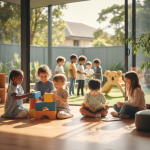
Even during quiet, self-directed play, children are exercising agency and making choices, becoming confident, involved learners. A child building a tower of blocks is experimenting with balance, problem-solving, and expressing creativity. An educator observing might offer an additional challenge or a new material, gently extending the learning without interrupting the child’s flow. This demonstrates how EYLF learning outcomes examples are embedded throughout the day, creating a dynamic and responsive environment.
Families: Supporting the Learning Journey at Home
The partnership between families and educators is incredibly powerful in supporting a child’s learning journey, particularly when guided by the principles of the Early Years Learning Framework. Learning does not stop at the childcare centre door; it continues and thrives within the home environment. By understanding the EYLF, families can create continuity that profoundly benefits their child’s development.
One of the most impactful ways families can support learning is through open and regular communication with their child’s educators. Share insights about your child’s interests, developmental milestones, and any significant events at home. This shared knowledge allows educators to tailor experiences more effectively, reflecting the child’s whole world within the centre. This collaborative approach enhances the understanding of EYLF explained for parents Australia.
Encouraging conversations about your child’s day at care can deepen their learning experience. Ask open-ended questions like, “What was the most exciting thing you did today?” or “What made you laugh?” This helps children reflect on their experiences, articulate their thoughts, and develop their communication skills. It reinforces the day’s learning in a meaningful way.
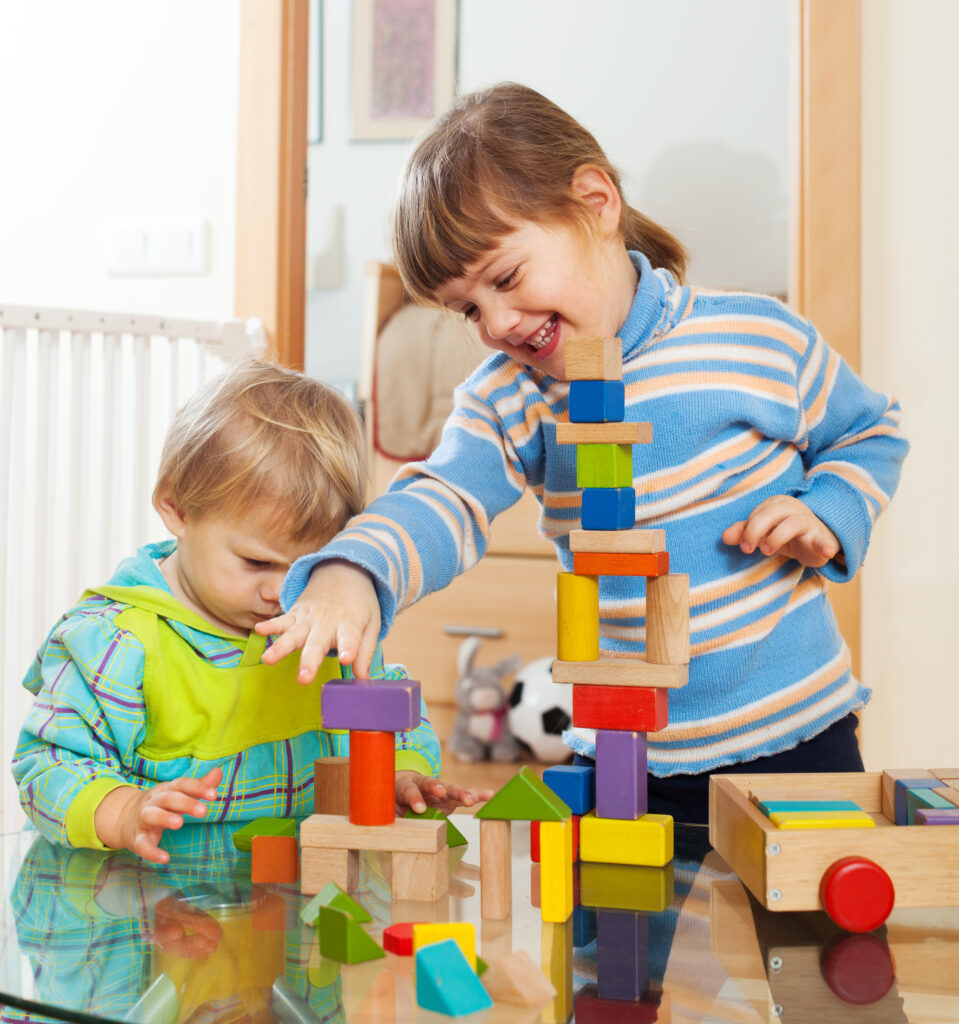
Integrating play-based learning at home mirrors the childcare curriculum approach. Provide opportunities for creative play, reading, outdoor exploration, and simple problem-solving games. These activities naturally align with the EYLF outcomes, fostering curiosity, imagination, and a strong sense of wellbeing. Reading together, for instance, strengthens literacy, imagination, and emotional connection.
Celebrating small achievements and acknowledging efforts, rather than just results, builds a child’s confidence and resilience. This nurturing approach encourages a love for learning and a willingness to try new things, aligning with the outcome of being a confident and involved learner. Your active engagement strengthens the learning ecosystem, allowing children to thrive through consistent support.
Empowering Questions for Your Childcare Centre
Engaging actively with your child’s early learning centre is a powerful way to ensure alignment with the Early Years Learning Framework and to gain clarity on your child’s educational journey. Asking thoughtful questions empowers families to understand the depth and intention behind the daily experiences provided. These conversations create a stronger partnership, benefiting the child’s development.
Q: “How do you implement the Early Years Learning Framework in your daily program?”
This question invites educators to share their approach to planning, activities, and the integration of the five EYLF outcomes. It provides insight into their pedagogical philosophy and how they translate the framework into practice.
Q: “How do you observe and document my child’s learning and link it to the EYLF outcomes?”
Understanding the documentation process whether through portfolios, digital platforms, or regular discussions helps families see the tangible evidence of their child’s progress. It also reveals how educators personalise learning.
Q: “Could you share some EYLF learning outcomes examples from my child’s recent activities?”
This prompts educators to provide concrete illustrations of how their child is developing in areas such as identity, wellbeing, or communication. These anecdotes bring the framework to life.
Q: “How do you involve families in the learning process and decision-making?”
It is a crucial question. It explores opportunities for parental engagement, such as sharing cultural practices, volunteering, or participating in special events. A centre that values family input creates a richer, more connected learning environment, ensuring the EYLF is a collaborative effort between home and centre.
These questions will provide a deeper understanding of “what kids learn in daycare“ within the EYLF context.
Key Takeaways
- The EYLF is Australia’s national early learning curriculum, guiding development from birth to five.
- It centres on five interconnected EYLF outcomes: identity, connection, wellbeing, confident learning, and communication.
- Educators use thoughtful observation and intentional planning to implement the framework daily.
- Play-based learning is key, fostering skill development across all outcomes.
- Families can support learning through open communication and extending learning activities at home.
The journey through early childhood education, guided by the Early Years Learning Framework, is a profound and enriching experience for every child. This comprehensive framework ensures that early learning environments are nurturing, stimulating, and intentionally designed to foster holistic development. By understanding its principles and outcomes, families gain invaluable clarity, empowering them to actively support their child’s growth. The dedication of educators, coupled with informed family involvement, creates a powerful pathway for children to become confident, capable learners.
Begin your Early Childhood journey today.
Further information on Early Childhood Education and Care courses can be found at: ACTAC